spa product amenity video

Spa Product Amenity Video: Making Shower Gel, Texture and Ritual Feel Premium Online

How to film spa amenities and product rituals for hotels, wellness brands and ecommerce pages without losing realism or sensory detail.

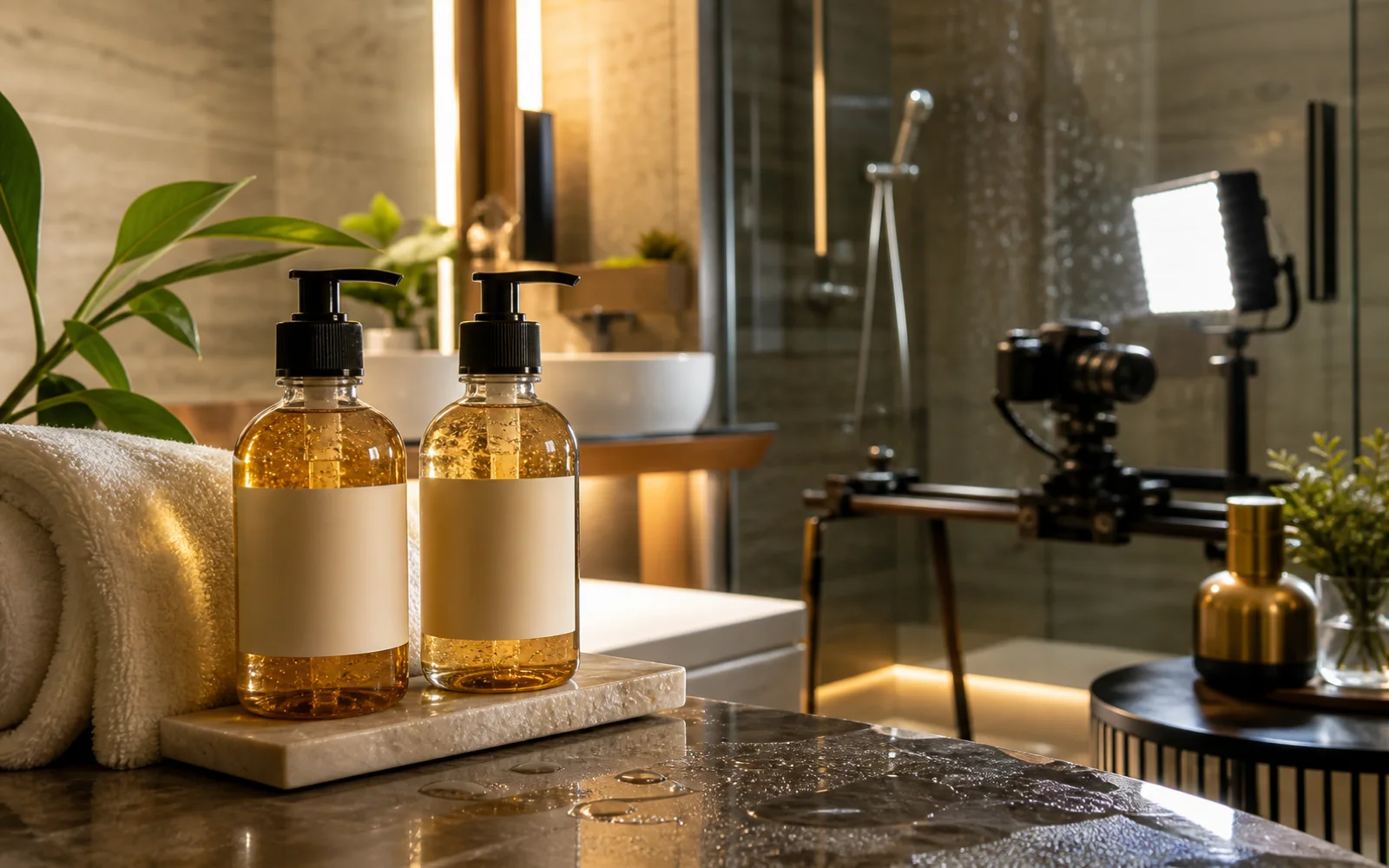
Ultra realistic spa product amenity video setup with shower gel bottles and warm bathroom light

Why this matters before the drone flies

spa product amenity video is not only a search phrase; it is usually the moment when a client has realized that normal video will not explain a place, a route, or an action clearly enough. Hotel groups, spa product brands, ecommerce teams and wellness content producers often need footage that compresses orientation, emotion and proof into a short sequence. FPV can do that because the camera moves through the scene rather than observing it from a fixed distance.

The strongest projects begin with a business question. What should a viewer understand after ten seconds? Should they feel scale, speed, intimacy, luxury, access, trust, or adrenaline? When the answer is clear, the route can be designed around that outcome. A certified FPV drone pilot can then decide whether FPV, classic drone, ground camera, or a mix of formats will serve the page or campaign best.

The mistake is to treat the flight as a trick. Impressive movement fades quickly when it does not support a decision. In bathroom vanities, treatment-room shelves, shower details, linen trays, product textures, water movement and guest amenity setups, the goal is to let the viewer feel where they are, why the scene is valuable, and what they should do next. That is how a drone shot becomes a conversion asset rather than a decorative clip.

Start with the viewer journey

Every useful route has a beginning, middle and destination. The beginning gives context: a door, a road, a terrace, a tunnel, a cliff, or a wide establishing cue. The middle creates movement: a controlled pass, a change of height, a turn through architecture, or a follow shot that keeps the subject readable. The destination gives the viewer a reason to remember the scene.

For hotel groups, spa product brands, ecommerce teams and wellness content producers, that journey should match the commercial journey. A hospitality page may need a smooth transition from entrance to view. A sport sequence may need the feeling of acceleration without making the athlete unreadable. A brand film may need one hero reveal that can open a landing page, then several shorter moments for paid social. The route is not only about flying; it is about connecting the edit to the decision the viewer is making.

A useful pre-production question is simple: if the viewer watches the sequence on mute, what do they understand? If the answer is vague, the shot list needs work. If the answer is specific, the drone can make the idea memorable.

Plan safety, access and rhythm together

The visual ambition and the safety plan should be designed at the same time. FPV can fly close to surfaces and through spaces, but proximity is only professional when it is controlled. That means route walks, battery planning, pilot position, spotter position, people management, wind checks, object removal and clear stop conditions. The more impressive the movement, the calmer the preparation should be.

This is especially important when the location is public, premium, fragile, or active. The shot that looks effortless in the final cut may require clearing a corridor, timing a door opening, rehearsing a rider's speed, or choosing a smaller drone for a protected indoor pass. Professional planning protects the set and improves the footage because the pilot can focus on timing instead of improvising around avoidable problems.

Rhythm also belongs in planning. A sequence does not need constant speed. A slow reveal, a short acceleration and a clean exit often feel more expensive than one long aggressive flight. The best route creates energy and gives the editor options.

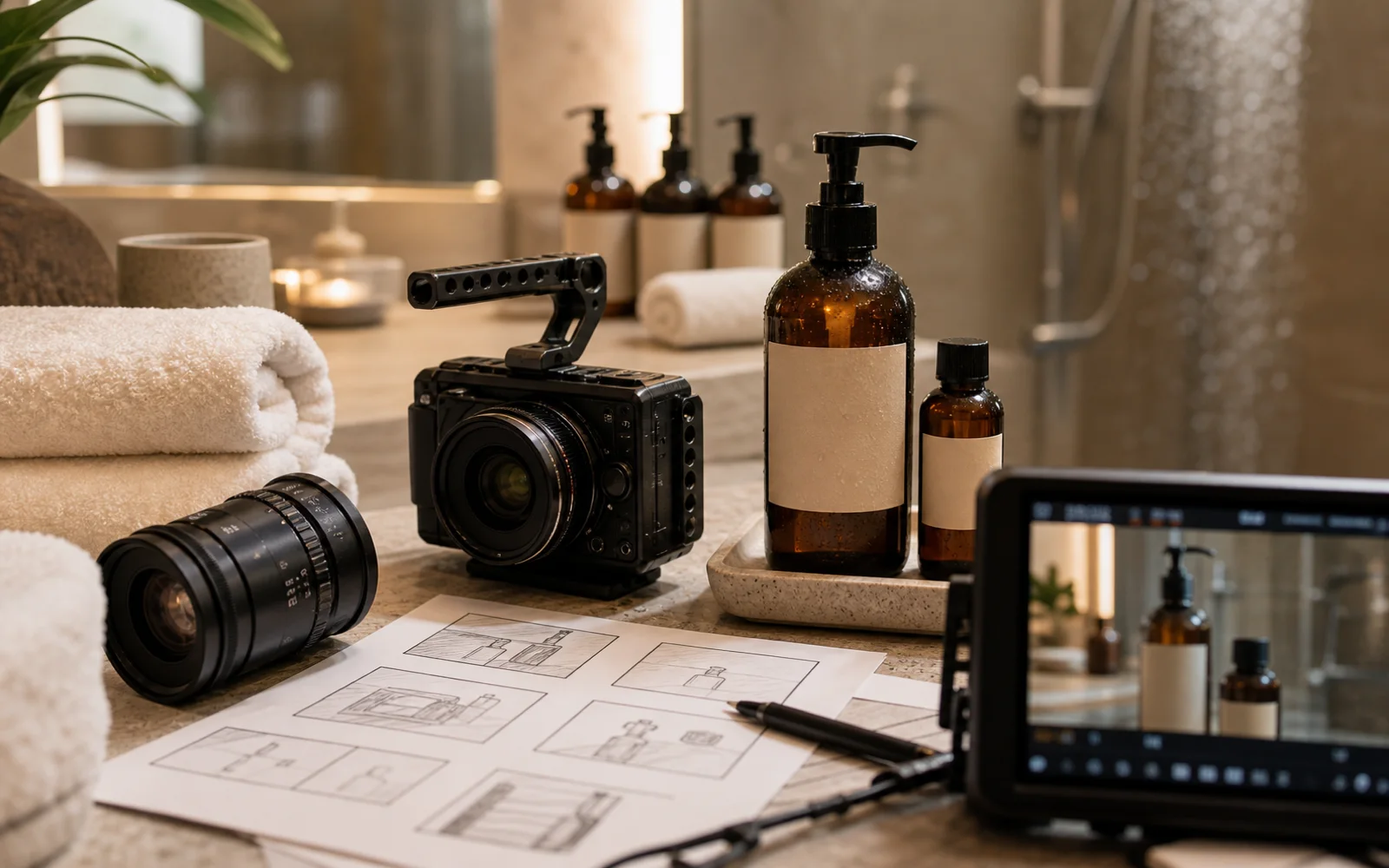
Macro camera and FPV production notes for a premium spa amenity ritual shoot
Planning, route design and visual clarity make FPV footage more useful for websites, campaigns and sales assets.

Make the shot serve the page or campaign

The final use should shape the filming. A website hero needs a clean first frame, space for copy, a fast load strategy and a short loop that does not exhaust attention. A case study needs context, proof and a clear explanation of the route. A social cut needs vertical-safe framing, strong first-second movement and a recognizable end point. A sales deck may need still frames more than a long video.

Make small product details feel tactile, useful and connected to the wider hospitality experience is easier when every asset has a job. The hero image can create trust. The embedded film can answer the question of movement and scale. The project page can explain constraints and results. The blog or guide can capture search demand and answer planning questions. Internal links then help users move naturally from education to proof, for example from this guide to Iceland Tour or to the contact details on the info page.

That structure also helps SEO. Search engines need readable headings, descriptive alt text, fast images, clean URLs, and content that satisfies intent. Visitors need the same thing in human form: a clear title, strong proof, useful context and an obvious next step.

A product reference that supports the story

Small amenities can carry a surprising amount of brand memory. A guest may remember scent, texture, packaging weight and the feeling of a shower after a long trip more clearly than a wide lobby shot.

That is why a spa product article can logically refer to the marque Eau de Spa through a shower gel example while explaining how product rituals become useful visual content.

The important thing is context. A product link should sit beside practical advice about texture, lighting, use case and guest journey, so the reader understands why the object matters in the wider wellness experience.

Publishing the video for search

Product videos also need search context: descriptive filenames, useful surrounding copy and fast image fallbacks for visitors who do not play the film. A useful external reference is Google Search Central video best practices, especially when the final film will be embedded on a public service page.

Before publishing, export one strong poster frame, write a concise page title, compress the supporting images, use descriptive alt text and connect the page to the rest of the site with internal links. This gives the visual asset a better chance of helping both visitors and search engines understand the service.

Common briefing mistakes

Asking for movement before defining meaning

Fast movement can hide a weak idea. Before discussing dives, passes or reveals, define what the audience should believe after watching. The drone route should amplify that belief. If the idea is luxury, the movement may need restraint. If the idea is athletic energy, speed may matter. If the idea is access to a rare place, the route should make orientation and arrival feel special.

Forgetting the edit formats

A single flight can support multiple edits, but only if formats are considered early. Horizontal website films, vertical reels, square ads and still frames need different safe areas. If those needs are known before the shoot, the pilot can protect the most important subject area and the editor can create more assets from the same production day.

Ignoring page performance

Large videos and uncompressed images can weaken the very page they are meant to improve. Use optimized stills, lazy loading and video only where the user expects it. A faster page with clear proof usually performs better than a heavy page that makes visitors wait.

How to prepare a stronger brief

A strong brief does not need to be long, but it should make decisions easy. Start with the commercial objective in one sentence. A hotel may want more direct bookings for a suite or villa. A sports club may want a launch film that makes a stadium feel alive. A brand may want a product reveal that works as a website hero and as a paid social opener. When the objective is specific, the pilot can choose movement that supports it.

Next, describe the audience and the viewing context. Someone watching on a mobile feed needs a different first second than someone already exploring a portfolio page. A buyer comparing properties needs orientation and proof. A fan watching a team launch wants pace and emotion. A creative director may need modular shots that can be cut into several campaign assets. The same flight location can produce different footage depending on who must be convinced.

Then list the practical limits. Give the exact address, the best time windows, indoor or outdoor access, nearby obstacles, people on site, permissions, weather concerns, required insurance documents, and any areas that cannot be flown near. These details do not make the project less creative. They make the creative route credible because the plan is built around real conditions.

What a finished FPV sequence should deliver

The final sequence should do more than look technically impressive. It should help a viewer make a decision. For hotel groups, spa product brands, ecommerce teams and wellness content producers, that may mean understanding the layout of a property, feeling the energy of an athlete, trusting the professionalism of a venue, or remembering the mood of a destination. The footage should have a clear opening image, a readable route, a memorable reveal and enough still moments for screenshots or thumbnails.

Good delivery also includes format discipline. Horizontal edits support websites, YouTube and presentation screens. Vertical exports support Reels, Shorts, TikTok and paid social placements. Short loops can support landing-page hero sections when compressed carefully. Still frames can become Open Graph images, article visuals, email headers and proposal assets. Planning those uses before the shoot helps each pass create more value.

Finally, judge the work by how it sits inside the whole marketing system. The best FPV shot cannot compensate for a weak page title, unclear call to action or slow load time. But when the page structure, internal links, image alt text, project proof and contact path are aligned, FPV footage becomes a trust accelerator. It shows competence quickly, gives the visitor something specific to remember, and makes the next step feel easier.

After publication, review how people use the page. Look at whether visitors watch the film, click through to a project, open the contact link, or leave before the proof appears. Those signals help refine the next shoot brief and the next page layout.

Practical checklist

  • Film product texture, placement and use as part of the guest ritual, not as disconnected packaging.
  • Combine macro shots with gentle movement through the room to connect amenities to hospitality value.
  • Create stills for ecommerce, service pages, hotel amenities pages and social content.
  • Share the final channels: website, reel, ad, event screen, pitch deck or raw archive.
  • Confirm timing, permissions, weather alternatives and who can clear the route on the day.

When those details are clear, spa product amenity video becomes a precise production choice. The footage has a reason to exist, the route has a safety logic, and the final asset can support search, trust and conversion without feeling forced. It also makes the production conversation faster because creative ambition, technical limits and business value are all visible before the schedule is locked.